
Absolute Lotus magazine
March/April 2026 – Issue 49
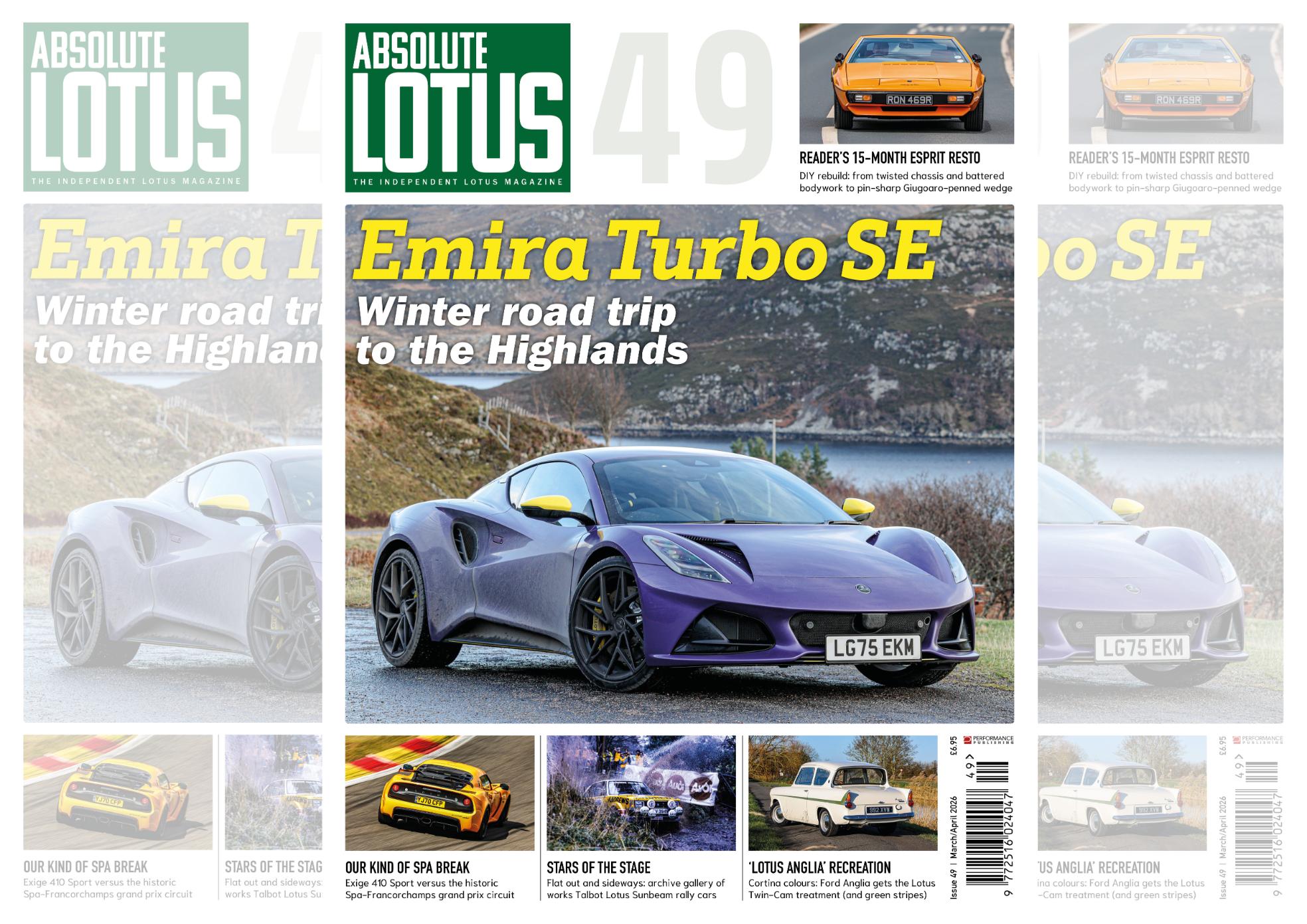
Esprit restoration – Battered and abandoned S1 revived
Emira Turbo SE road trip – Scottish Highland recce
Anglia Twin-Cam – Retromodded Ford recalls Lotus prototype
Back to school at Millbrook – One to one driving tuition
Sunbeams in action – Sideways in the stages
Alan Stacey – From self-built Lotus VI to works F1 driver
…and much more!
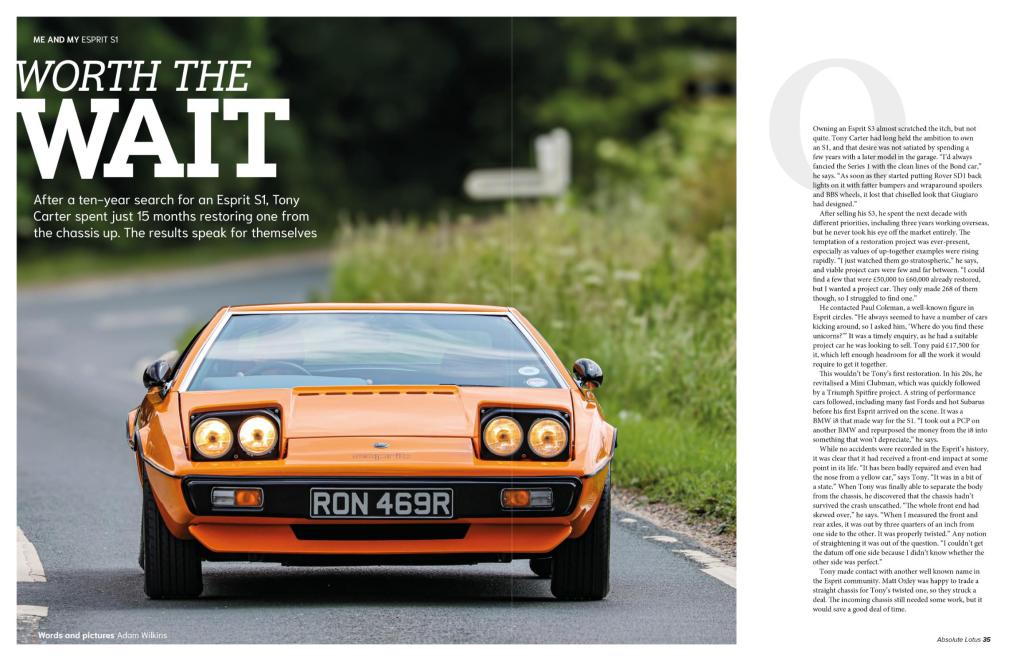
Pin-sharp Esprit S1 revived from battered barn find
When Tony Carter first found this Lotus Esprit S1, it had a twisted chassis and battered bodywork, and the less said about the state of the interior the better. But after a ten-year search for the right restoration project, he wasted no time getting it back to prime condition.
He took just 15 months to get it back to fighting fitness, meeting his deadline to join the Esprit 50th anniversary celebrations at last year’s Classic Team Lotus Garden Party. Read about how he did it in Issue 49. It’s an inspirational story of learning new skills on the go.
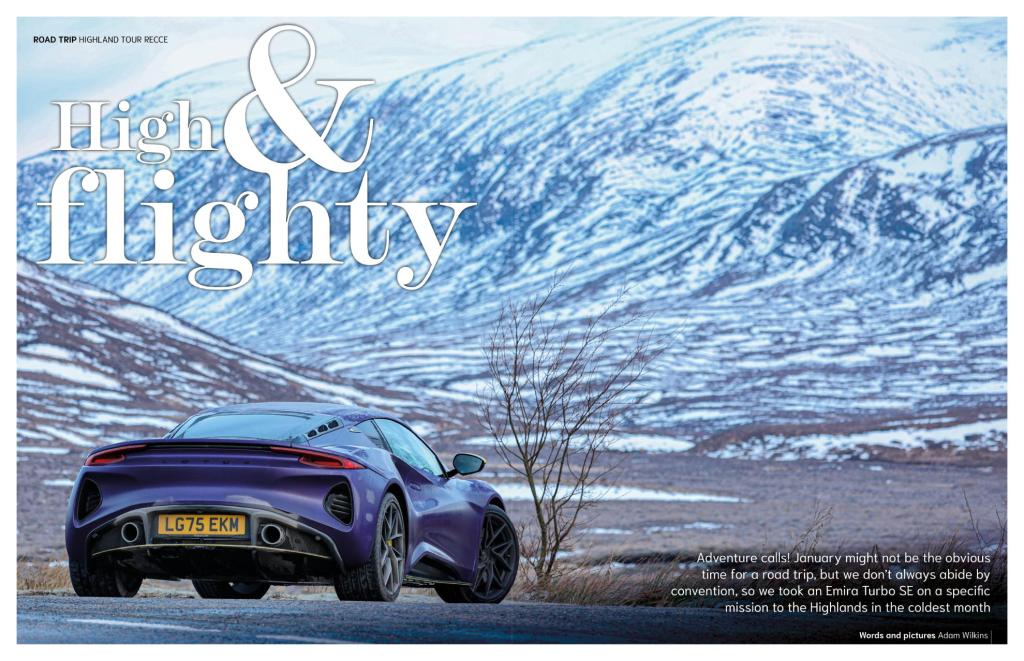
Winter road-tripping in the Emira Turbo SE
The Turbo SE is the most powerful model in the four-cylinder Emira line-up with its V6-matching 400bhp. While we’d driven both the ‘regular’ Turbo and the V6, we’d yet to get into the Turbo SE.
When we had the chance, we knew we’d need to take it somewhere special – and a recce for this year’s Absolute Lotus Highland Tour was the perfect assignment.
After three long days at the wheel, we were well placed to deliver a verdict on it both as a sports car (on the good bits of the North Coast 500) and as a grand tourer (getting there and back in short order). It’s the cover star of Issue 49.
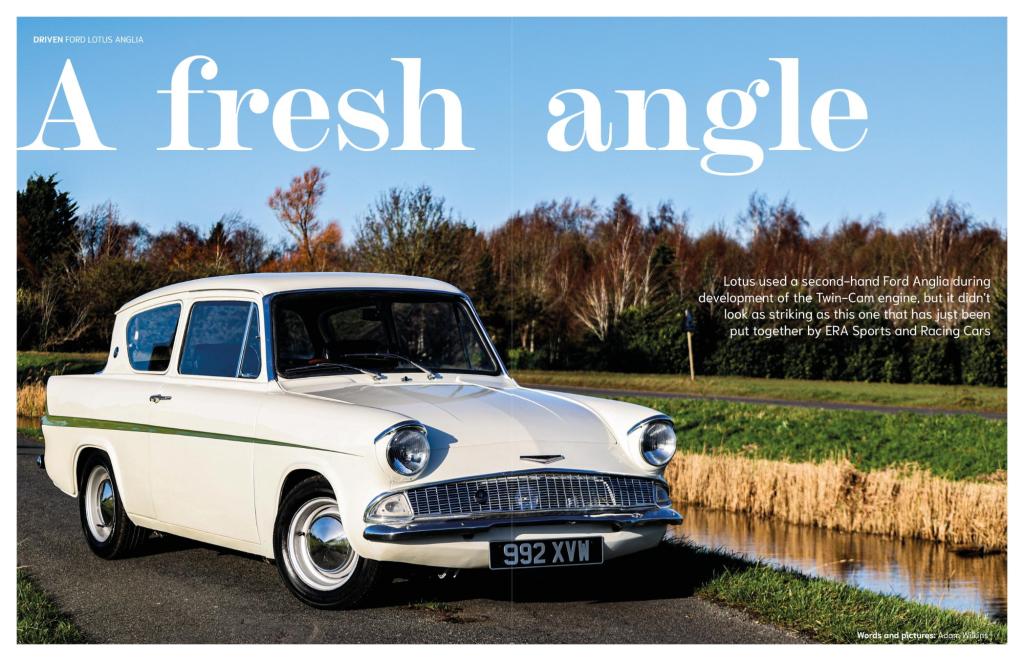
A Ford Anglia with added Lotus
If you’ve assumed from the Cortina-inspired colour scheme of this Ford Anglia that it has a Lotus Twin-Cam fitted, you’d be absolutely correct. But did you know that a Ford Anglia was the first ever car to be fitted with a Lotus Twin-Cam engine? It didn’t look as smart as this one, though, in its patinated (even back then…) sombre grey paint.
This one also benefits from rack-and-pinion steering, disc brakes and Gaz suspension, and our drive was the perfect reason to tell the story of Lotus’s original Anglia mule.
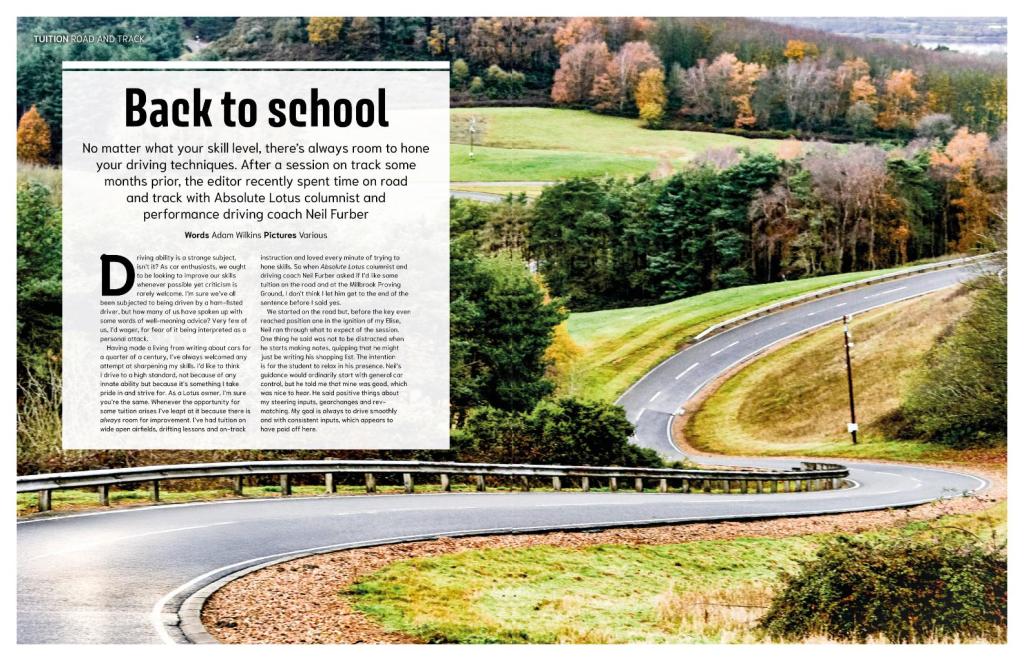
One-to-tuition on road and track
Driving ability is a strange subject, isn’t it? As car enthusiasts, we ought to be looking to improve our skills whenever possible yet criticism is rarely welcome. I’m sure we’ve all been subjected to being driven by a ham-fisted driver, but how many of us have spoken up with some words of well-meaning advice? Very few of us, I’d wager, for fear of it being interpreted as a personal attack.
But like any skill, driving can be developed and honed, and that process is only accelerated with some professional intervention. In Issue 49, the editor spent time on road and track with Absolute Lotus columnist and driving coach Neil Furber.
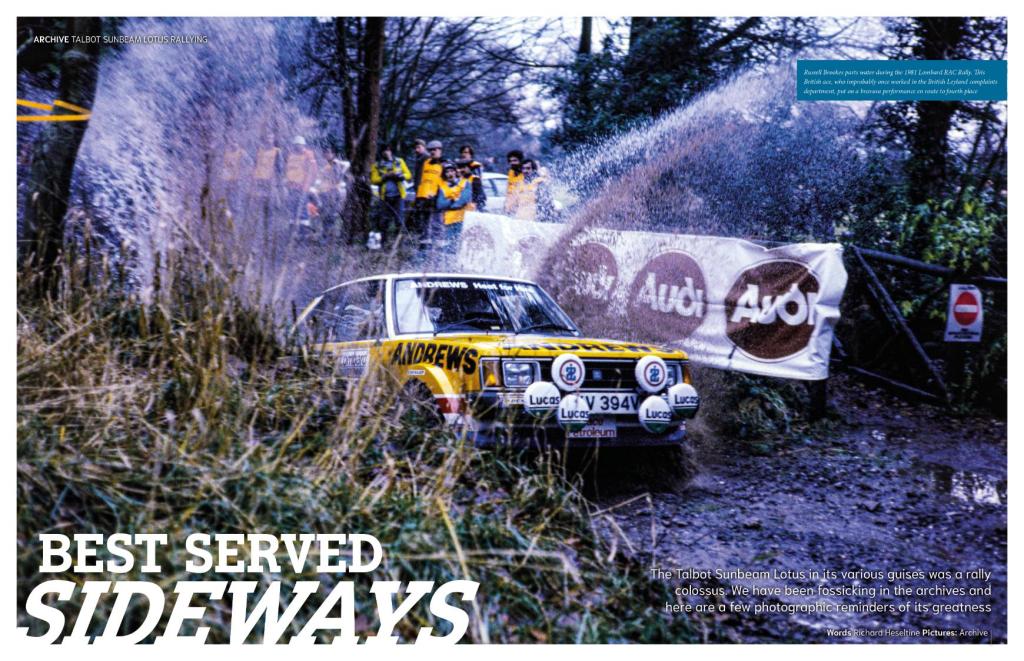
Sideways Sunbeams
After two generations of Lotus Cortinas, the next saloon car to carry the Lotus badge was actually a hatchback. But it has one key difference to most other hot hatches: it’s rear-wheel-drive. The Talbot Sunbeam Lotus made its name on the rally stage where it was often spectacularly sideways, and we have a pictorial celebration of that in our new issue. You can almost hear the photos.
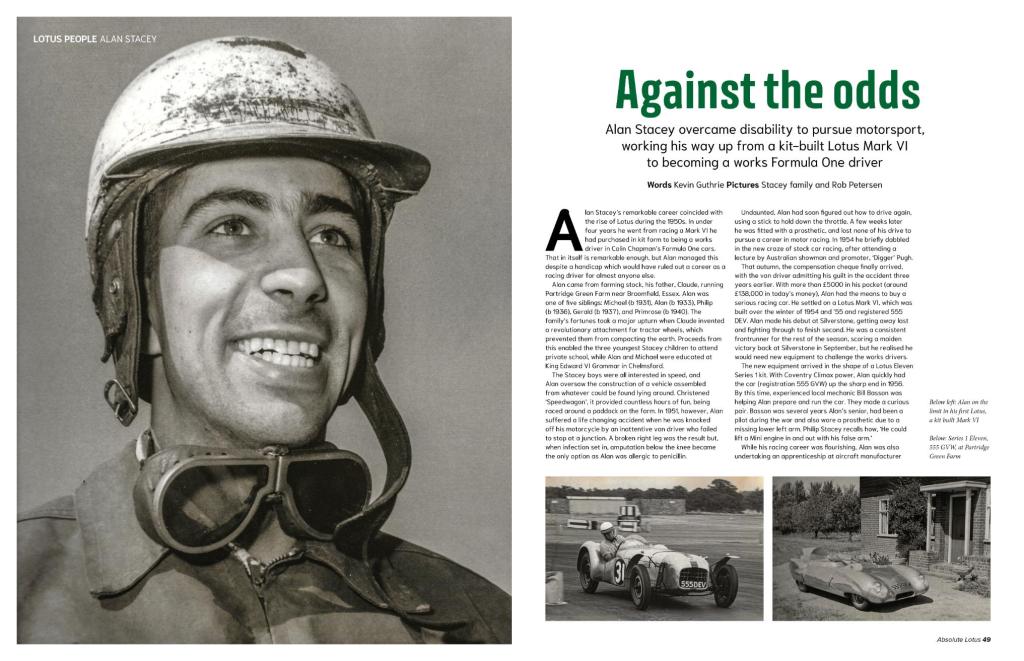
From Lotus customer to Formula One works driver
Alan Stacey overcame disability to work his way from the grass roots of motorsport to its very top echelon. He used part of an insurance pay-out that left him an amputee to buy a Lotus Mark VI that he built himself. That got him on the grid, but he soon realised he would need to upgrade to challenge for race wins.
A Lotus Eleven provided that competitive edge which set him on a path towards being a professional driver. In Issue 49, Stacey’s biographer Kevin Guthrie tells the story of how made the ascent all the way to being a Lotus works driver in Formula One.
Click here to order your copy. Worldwide delivery and free shipping to UK addresses
 Absolute Lotus